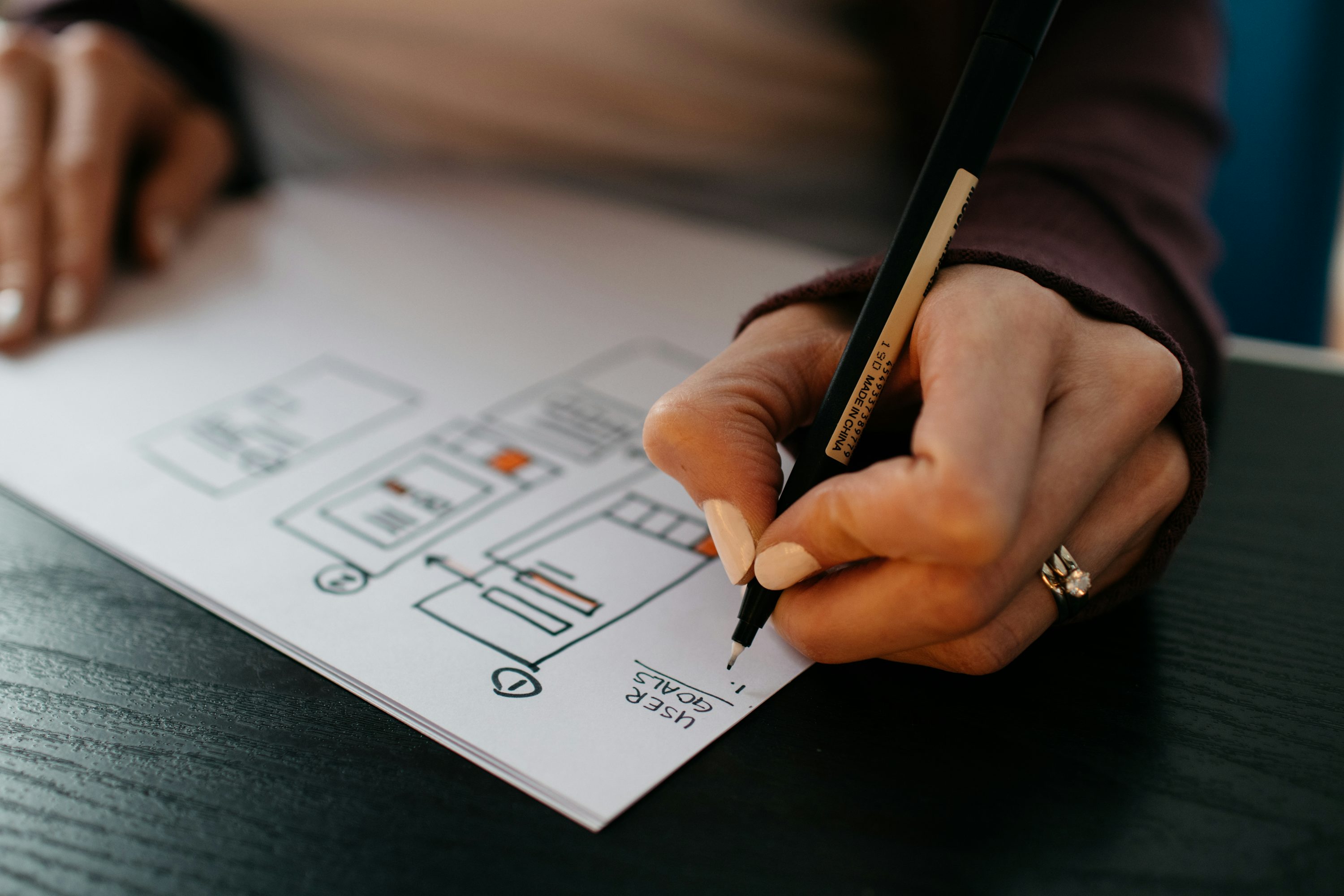

Define the website’s purpose
A redesign starts with a practical question: what should someone be able to do after visiting the website? Understand a service, explore a project, request a quote and find practical information are different goals. Choosing a priority helps determine which pages to create, what content to prepare and how prominently to present ways to get in touch.
Describe the people you want to reach as well. An association, a tradesperson and a business looking for an application bring different questions. For each audience, write down what they already know, what they need to understand and which details would help them take the next step. This exercise can fit on a single page.
Build a journey people can follow
The page structure turns those goals into a usable website. Each page should cover a recognisable subject and offer a relevant next step. A service page can explain the need it addresses, what the work includes, how a project is organised and what information a first enquiry requires. A related project then provides a concrete example.
Give visitors the details they need before asking them to make a decision. A quote button makes more sense when people understand what they can request. Its label should describe what happens next: opening a form, reviewing an offer or getting in touch. Check return routes and the links between pages as well.
Bring content and presentation together
Headings, photographs, spacing and colour should support the same message. A large but vague headline takes up space without explaining the business. Specific wording, relevant imagery and a readable structure provide useful guidance. Put the essential information first, then make further detail available to readers who want to explore the subject more closely.
Review this journey on a phone and using a keyboard. Can you read the text comfortably? Are the buttons easy to identify? Do form fields explain what they need? Prepare page titles and descriptions for search previews too, keeping them faithful to the content visitors will actually find on the page.
Plan what happens after publication
A website needs someone to look after its content and incoming enquiries. Before launch, decide who receives messages, checks contact details and updates offers. Agree how the project files will be retained and how an earlier version could be recovered. These practical arrangements make future changes easier to organise and help clarify ongoing responsibilities.
Assess the website through real tasks: an enquiry understood, an answer found or a form completed. Feedback from visitors can reveal questions the pages have left unanswered. A useful redesign provides a clear foundation for further improvements, without promising commercial results before anyone has observed how the website is actually being used.